A New Era in Econometrics: Machine Learning
![]()
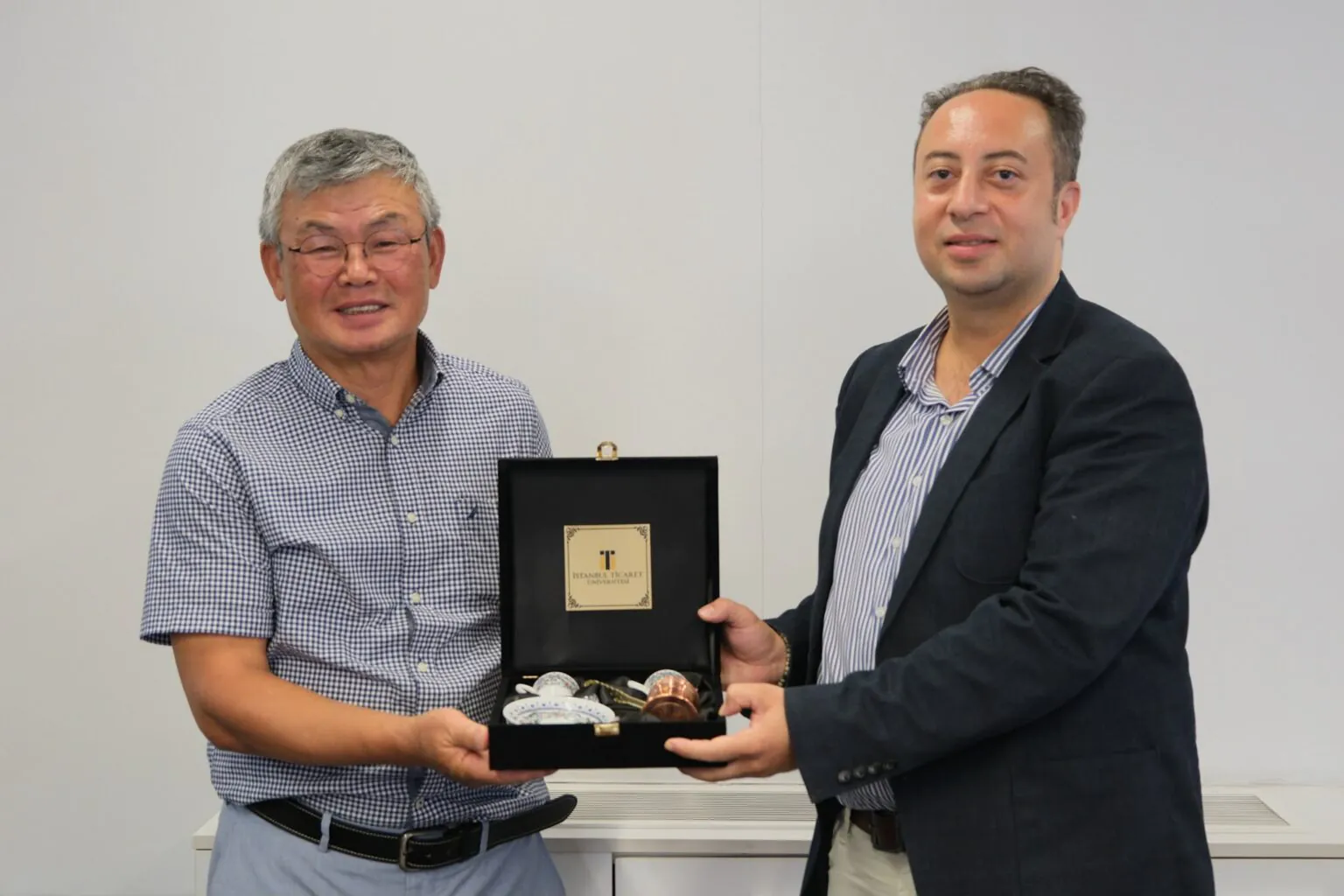
Istanbul Commerce University hosted Professor Junsoo Lee from the University of Alabama for a seminar titled “Machine Learning Econometrics.” The seminar addressed the contributions of machine learning to predictive power, the analysis of complex economic relationships, and the reduction of model bias.
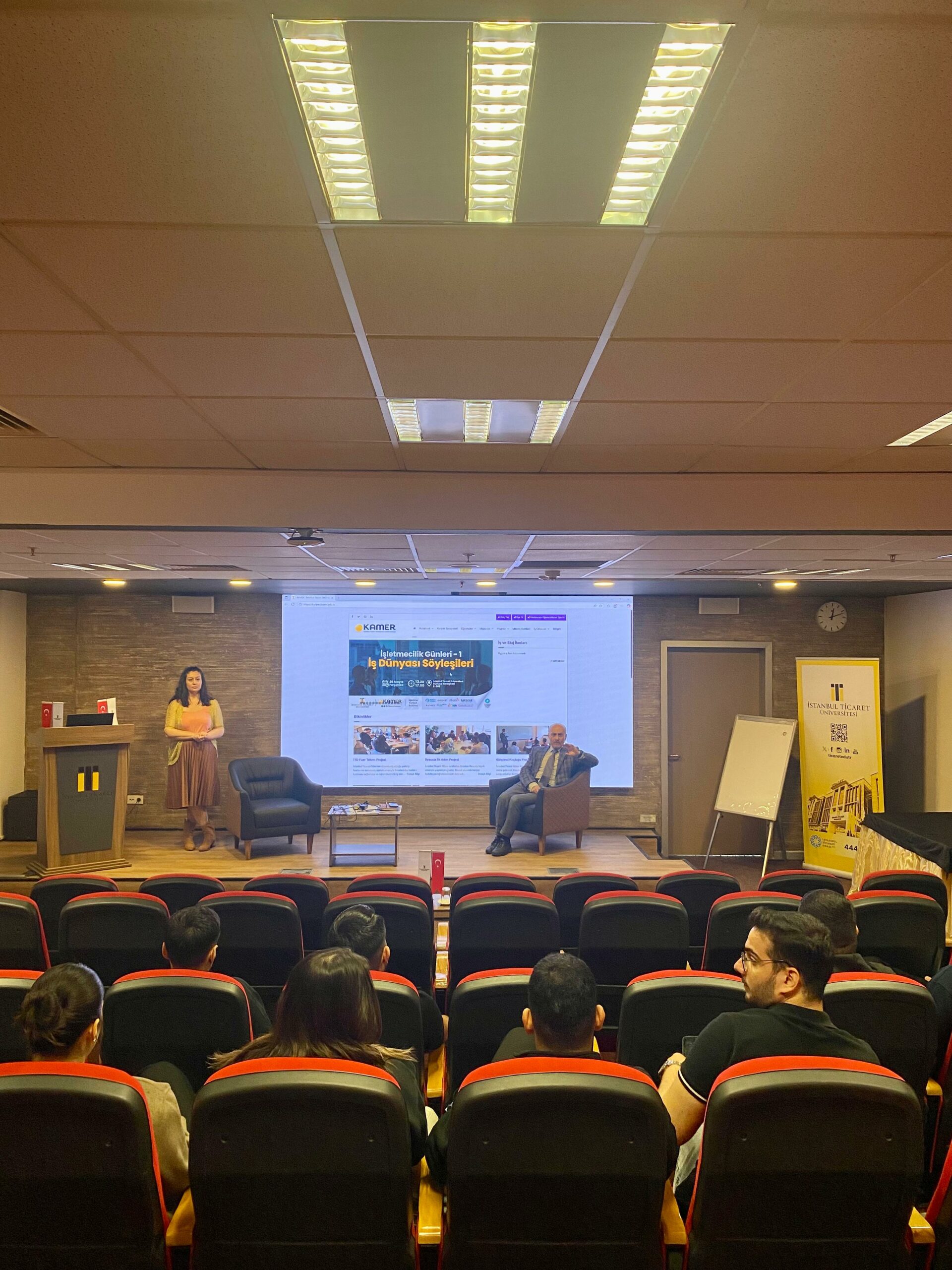
This was the fifth seminar in the Istanbul Commerce University International Trade (English) Department seminar series, featuring Professor Junsoo Lee from the University of Alabama. The seminar, titled “Machine Learning Econometrics,” discussed the use of machine learning methods in econometric analysis, their advantages, and current application areas. Faculty members, research assistants, administrative staff, and graduate students showed great interest in the seminar.
Professor Junsoo Lee is a faculty member in the Economics Department at the University of Alabama and one of the most cited scientists in the field of econometrics worldwide. Particularly with his methodologies developed for time series analysis, panel data models, structural breaks, and unit root tests, Professor Lee is shaping the future of econometric modeling and is included in Stanford University’s “Top 2% Most Influential Scientists in the World” list.
KÖKSAL: IT WILL OFFER NEW PERSPECTIVES TO ACADEMIC STUDIES
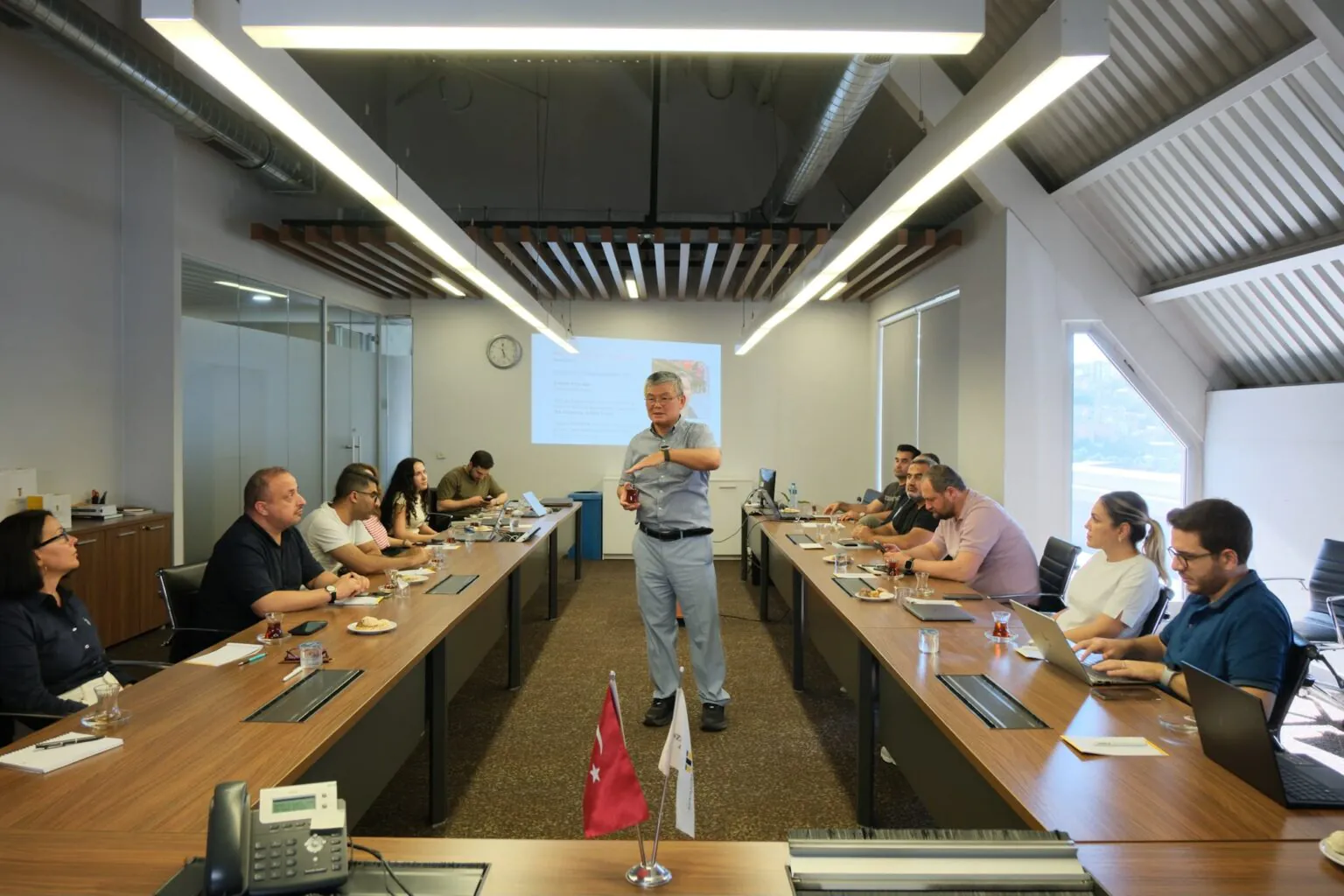
The opening speech of the program, held at the Sâdâbâd Campus in Sütlüce, was given by Assoc. Prof. Dr. Cihat Köksal, Head of the International Trade (English) Department. Assoc. Prof. Dr. Köksal stated that economic and financial data are becoming increasingly complex, and emphasized the importance of using traditional econometric models and machine learning methods together.
Associate Prof. Dr. Köksal stated that Prof. Dr. Junsoo Lee has made significant contributions in the fields of time series, unit root tests, and panel data analysis, and expressed his belief that the seminar would offer new perspectives for academics and students.
THREE KEY CONTRIBUTIONS OF MACHINE LEARNING
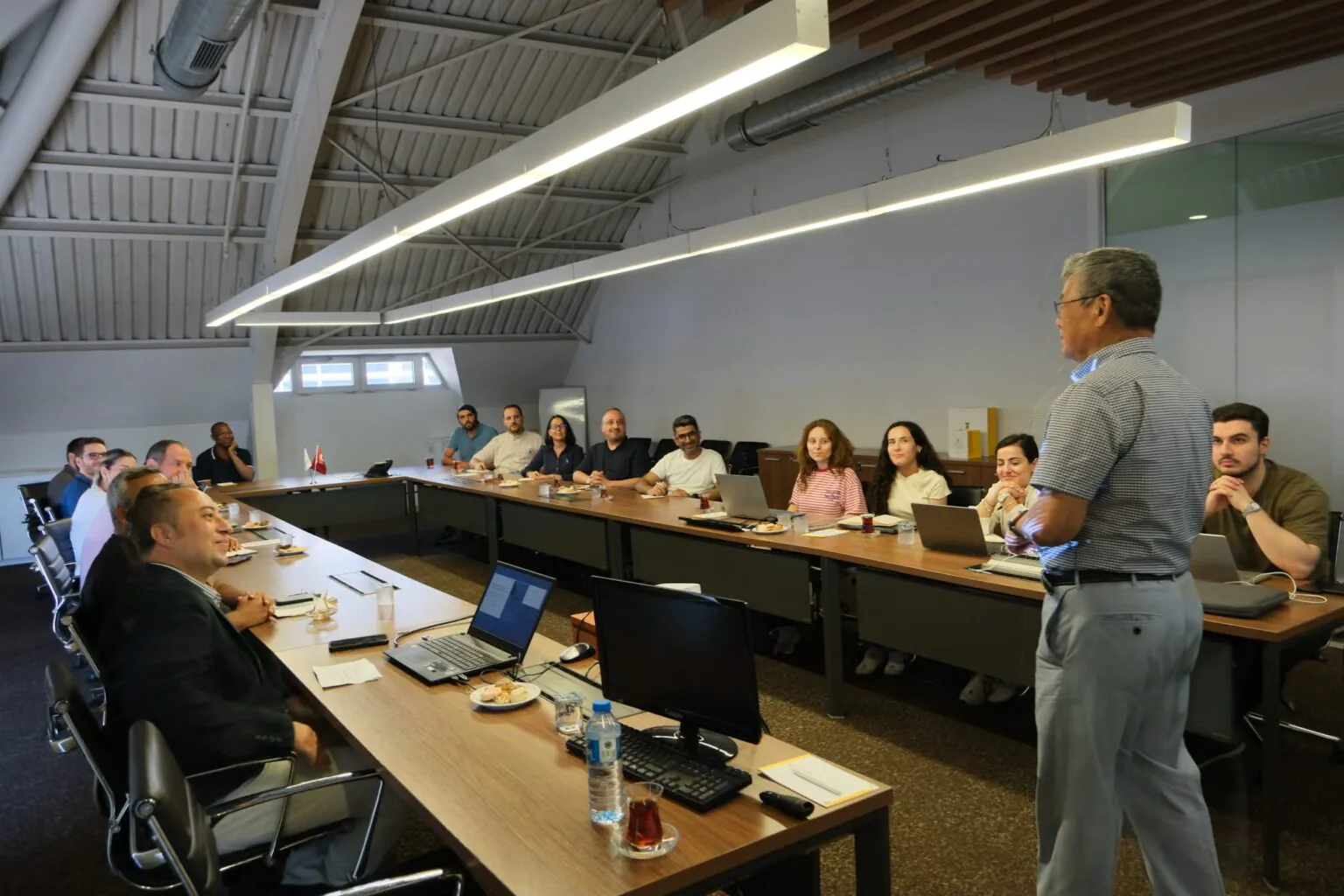
Prof. Dr. Junsoo Lee stated in his presentation that machine learning methods contribute to econometric studies in three key areas. He listed these contributions as: strong predictive capacity, the discovery of detailed information difficult to obtain with traditional methods, and the reduction of bias in model predictions.
Prof. Dr. Lee explained that machine learning models can evaluate numerous variables and different functional relationships simultaneously, noting that these methods offer more flexible analysis possibilities, especially in large and complex datasets. He also mentioned that methods such as random forests, XGBoost, and artificial neural networks are increasingly used in economic and financial research.
PREDICTIVE POWER AND THE IMPORTANCE OF VARIABLES
Professor Lee emphasized that machine learning not only improves prediction success but also contributes to understanding which variables are more decisive in research. He noted that in traditional regression models, the effect of variables is mostly evaluated through a single coefficient, while machine learning methods can reveal non-linear and complex relationships between variables.
Giving examples from their fertility rate research, Professor Lee explained that variables such as women’s education level, labor force participation, urbanization, and population density can have different effects across countries. He stated that in their studies, urbanization and population density stood out as important variables in explaining fertility rates.
NEW METHODS FOR REDUCING BIAS
The seminar addressed the contributions of machine learning to predictive power, the analysis of complex economic relationships, and the reduction of bias in model predictions. Prof. Dr. Lee stated that the Neyman orthogonality and the bipartite and bias-free machine learning approach play a significant role in reducing the impact of errors that may arise in the prediction process.
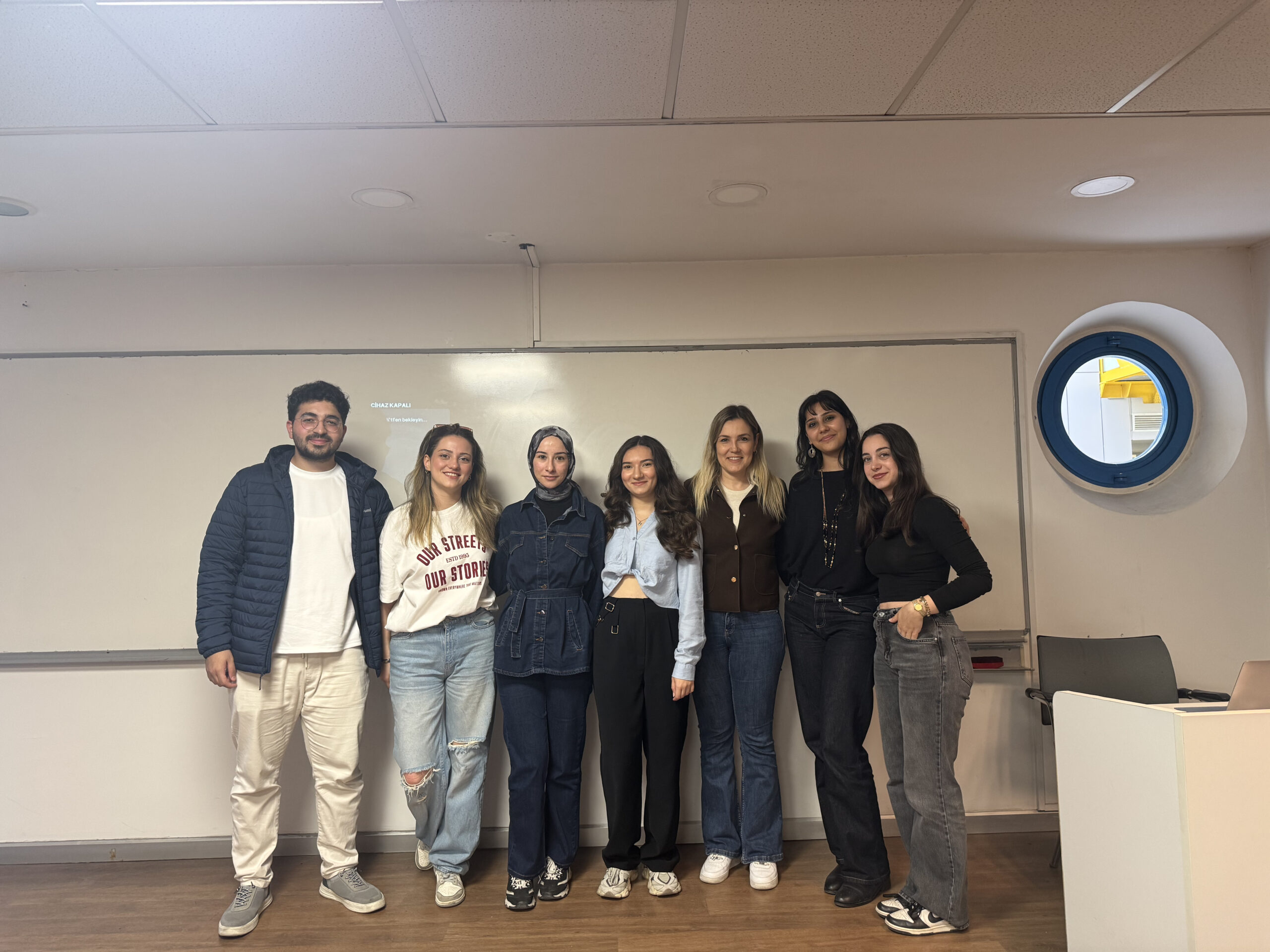
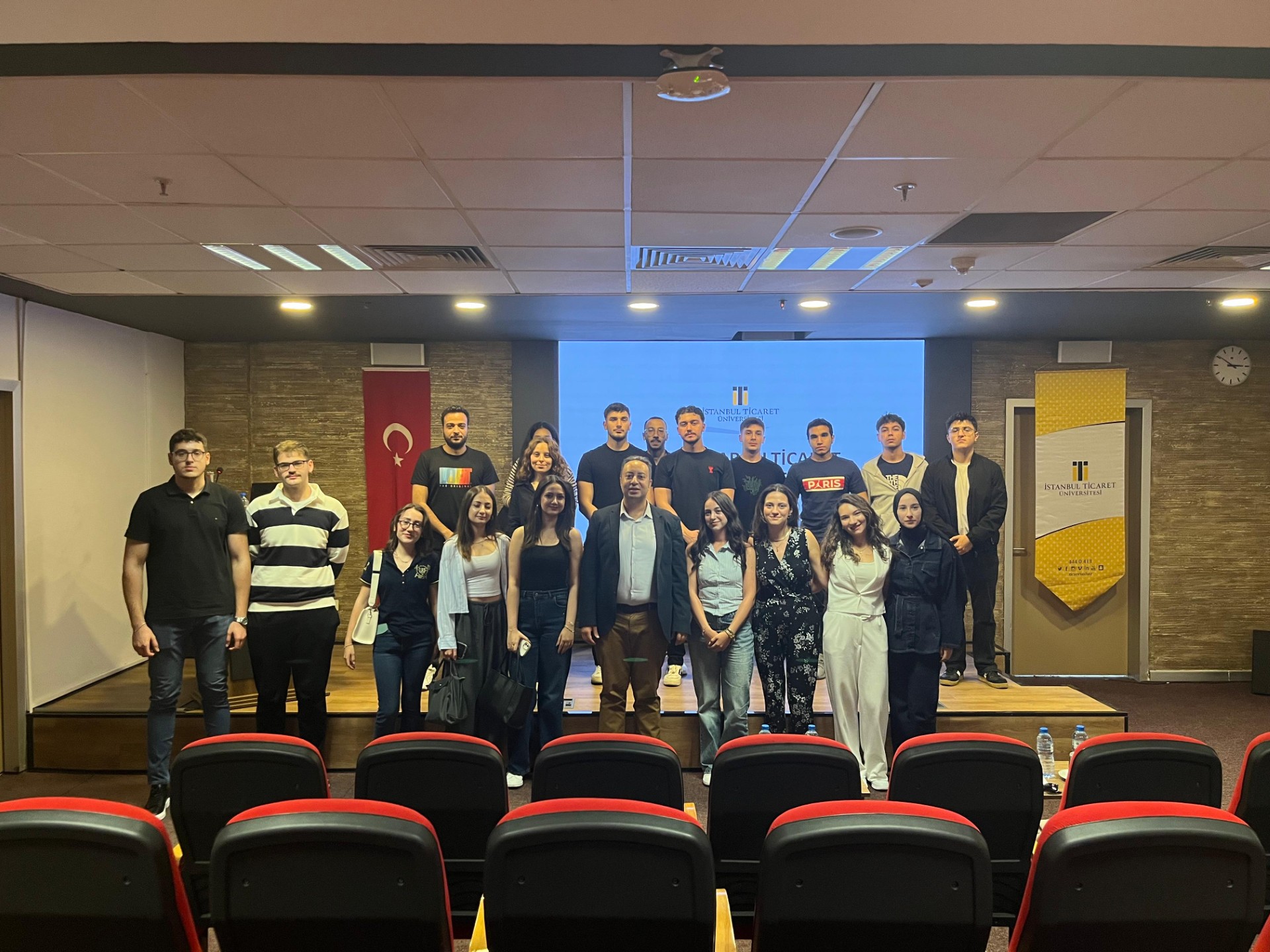
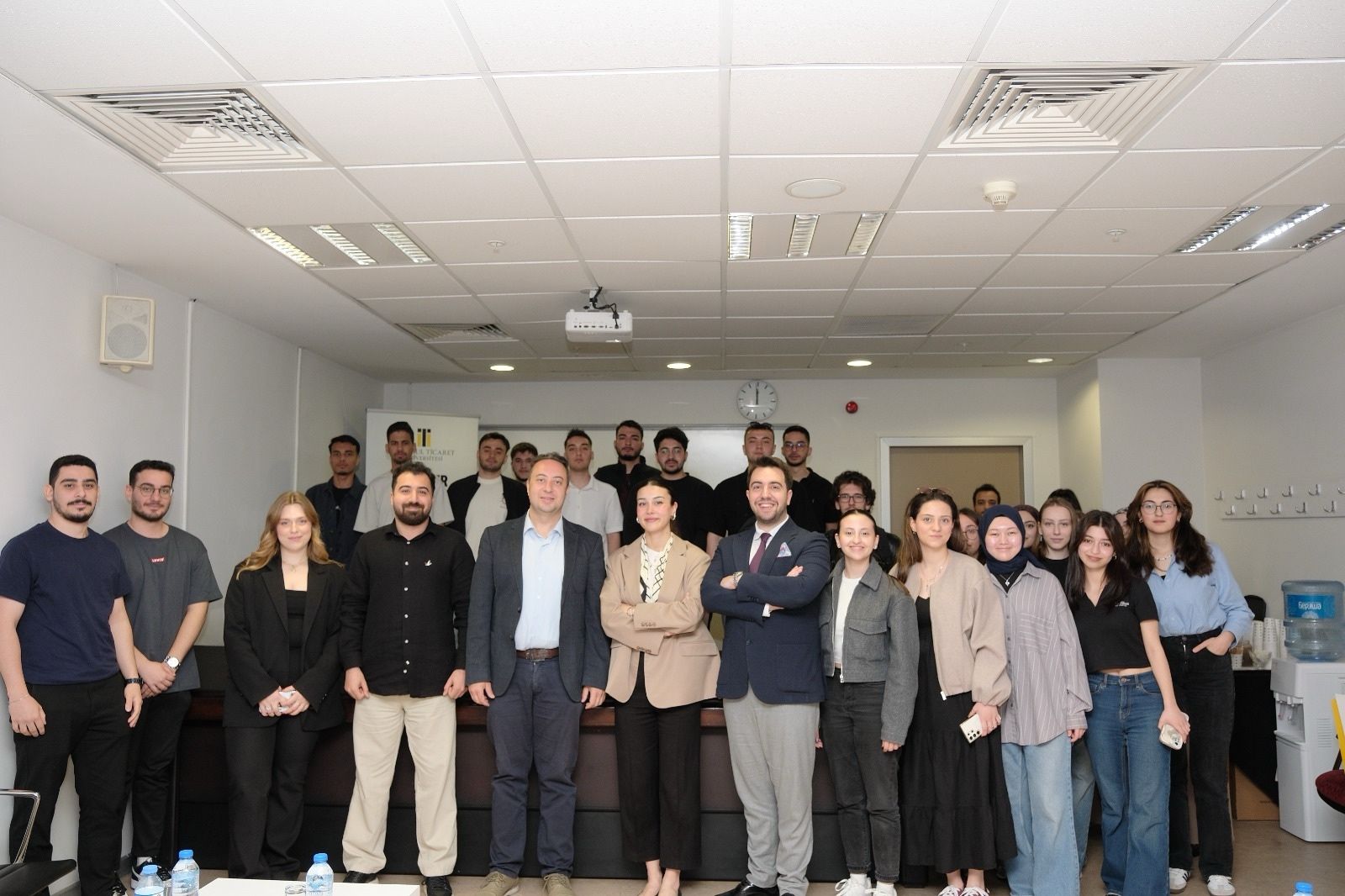
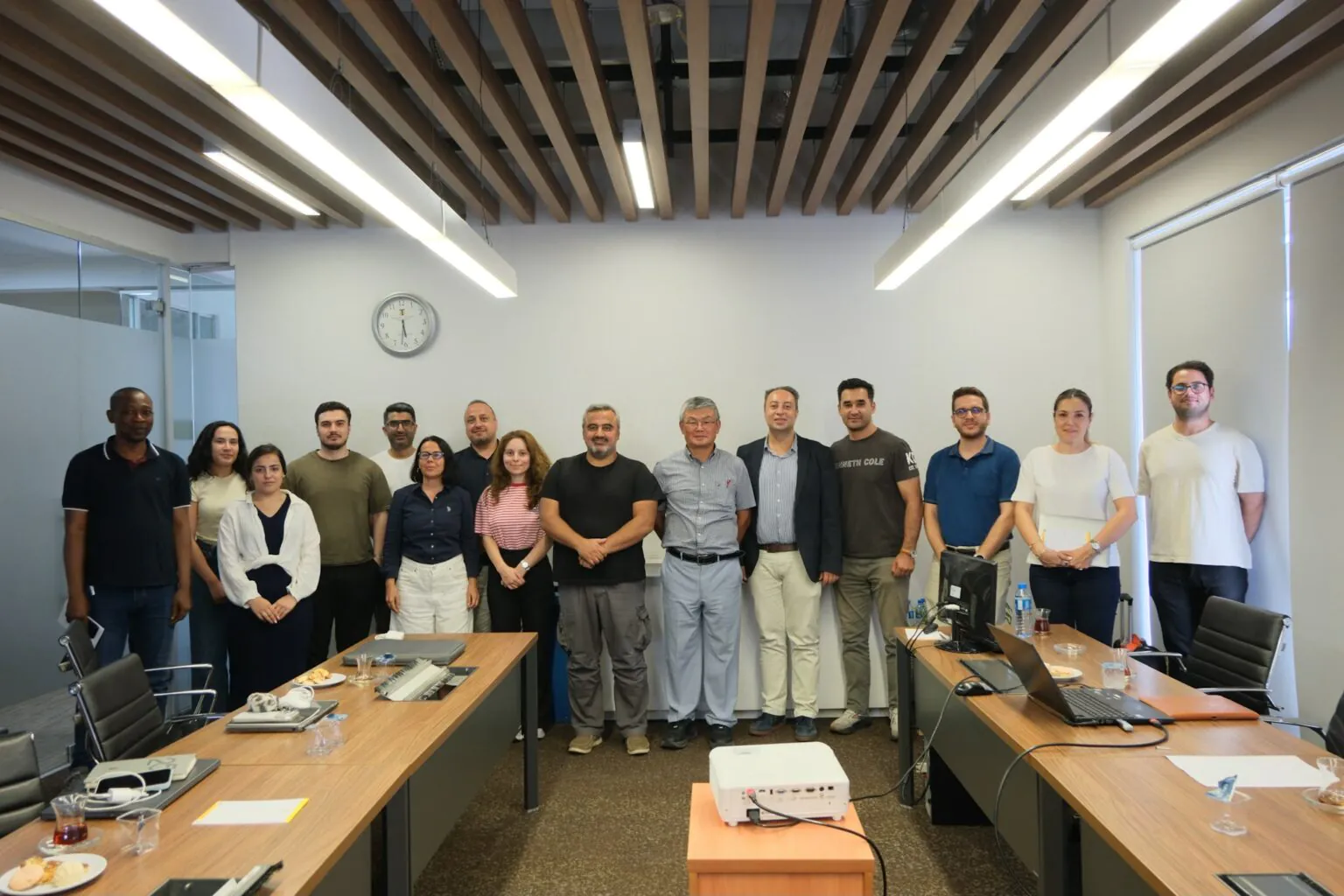
Prof. Dr. Lee noted that using modern machine learning tools in conjunction with econometric methods leads to more reliable results, and said that researchers should consider these models not only as predictive tools but also as methods that help to understand economic relationships in more detail. The program concluded with a question-and-answer session followed by a group photograph.