The Human, Art and Technology Symposium has come to an end
![]()
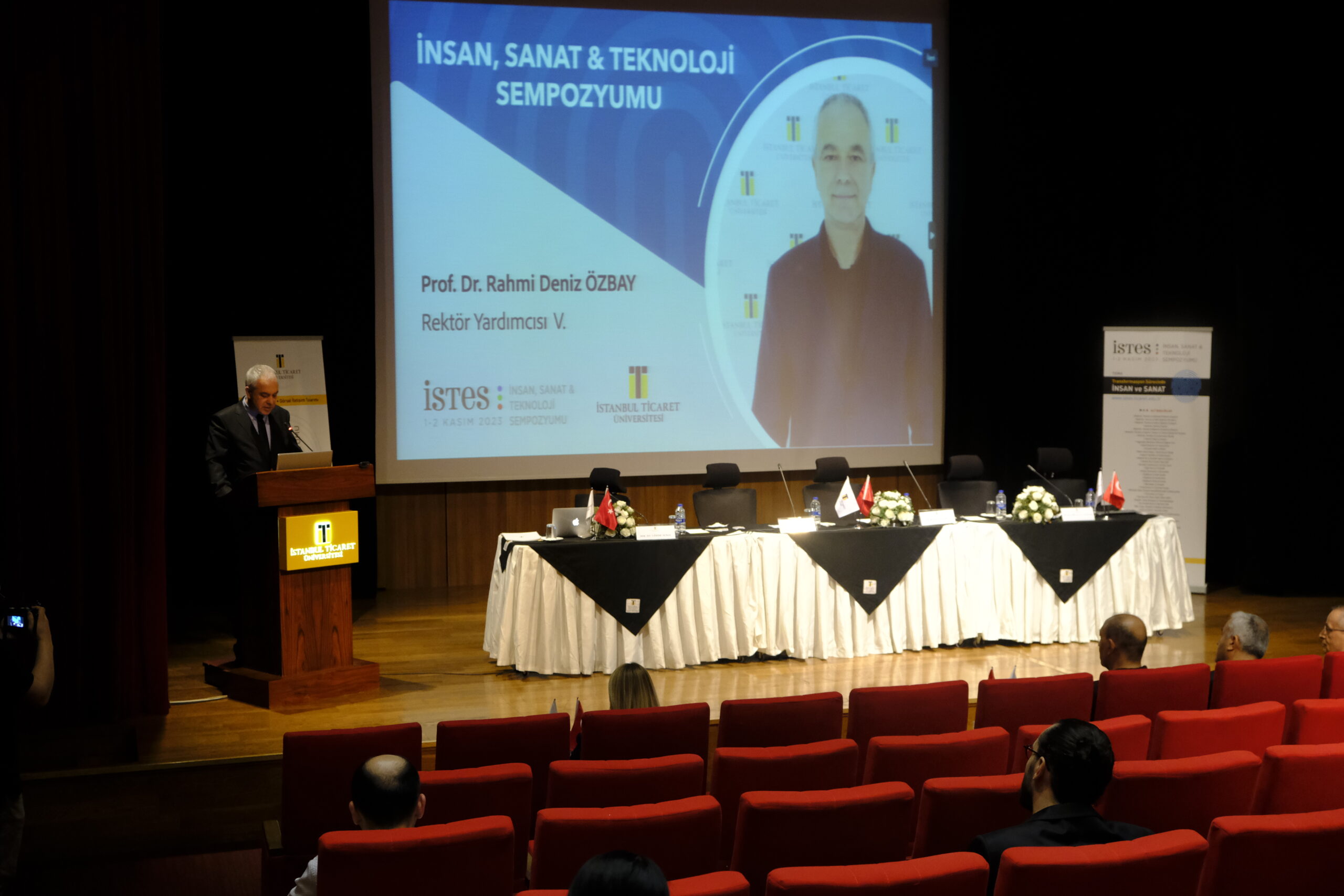
The 1st Human, Art and Technology Symposium was held with the theme of “Human and Art in the Transformation Process”, by Istanbul Ticaret University, Faculty of Communication, Visual Communication Design Department, with the participation of many academicians, researchers and students.
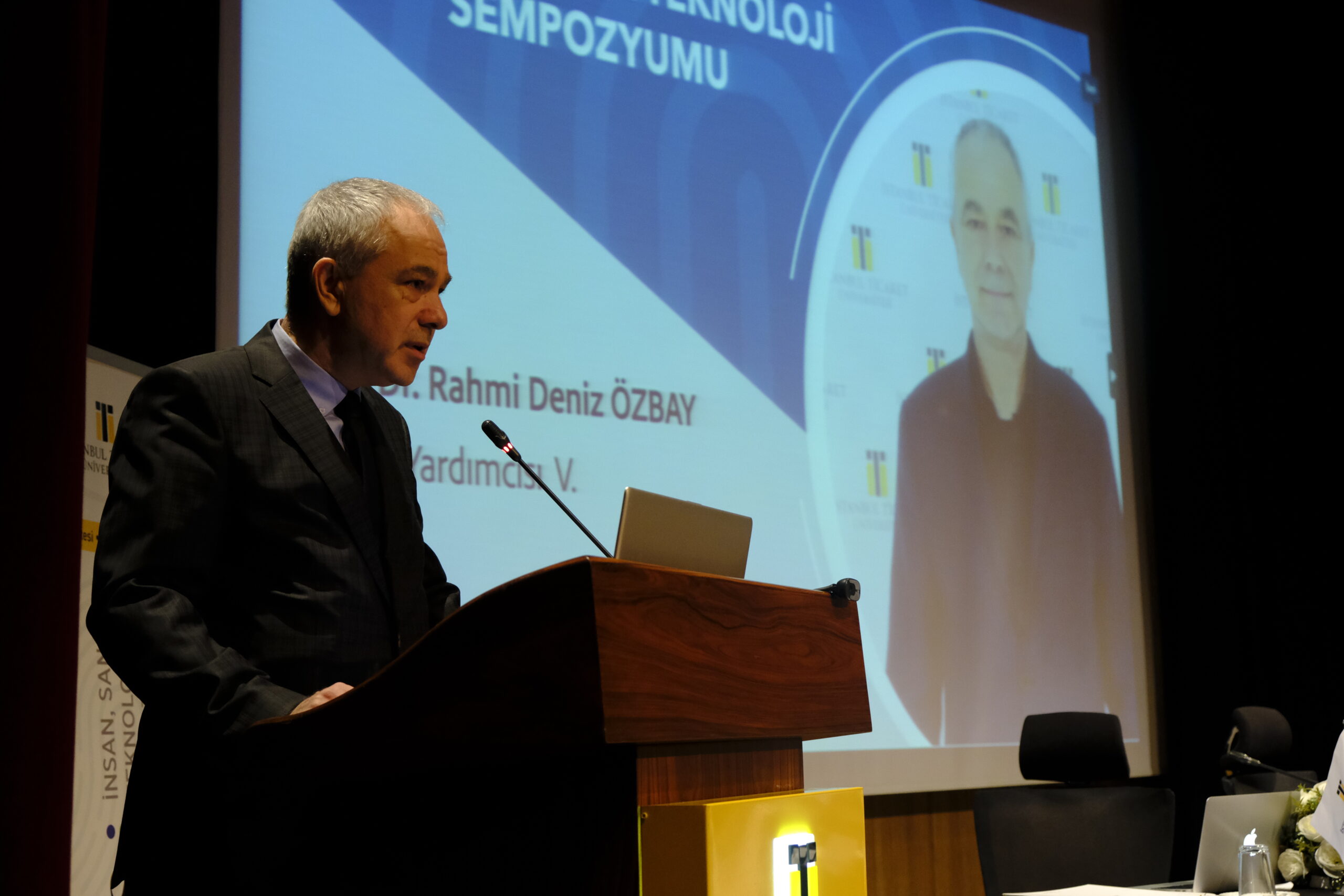
Prof. Dr. Rahmi Deniz Özbay, Acting Vice Rector of Istanbul Ticaret University, made the opening speech of the symposium. Prof. Dr. Özbay stated that he was pleased to be a speaker at a human-themed symposium in these days that make us question the value of human beings, and that the outputs of the symposium will support our belief in the value of humans, and expressed his gratitude on behalf of our university to the academicians who organized the symposium and the researchers who contributed to the symposium with their papers. Prof. Dr. Özbay continued his words as follows:
“The word ‘transformation’ can make us feel anxious or questioning. That is to say, the most important feature of humans, unlike other living creatures, is not being in one place as he/she is or constantly changing in the flow of time, but rather being human. As Shakespeare stated, ‘The whole issue of a human being is not to be or not to be somewhere, to exist with the instinct of continuing his/her existence in the world in the face of death that he/she will definitely face, or to change and transform aimlessly at the expense of self-alienation, on the contrary, to be or not to be.’ Human beings come into the world to become humans. They are not born into the world to be what they are, like other creatures, and they face the danger of not being able to become humans. No living creature other than humans faces this danger. This danger that only humans face obliges him/her not only to devote his/her life to happiness, pleasure and enjoyment, but also to prepare for death and to become a human before death. Perhaps all of humanity’s scientific, thought and artistic activities can be deemed valuable as long as they only take reference to humans’ will to be and anxiety of not being. History tells us that different understandings of people and art became valid in various periods and regions. The relationship between humans and art should not be accepted as a simple phenomenon, and the historical transformation processes in this ontological relationship should also be questioned. This questioning is especially important in our century, when we talk about the end of art and history, where technology has increasingly taken over all human functions.”
Prof. Dr. Özbay thanked the academicians who organized the symposium, the professors who contributed to the symposium, and the entire symposium team, and stated that the symposium will make significant contributions to the questioning and reasoning processes.
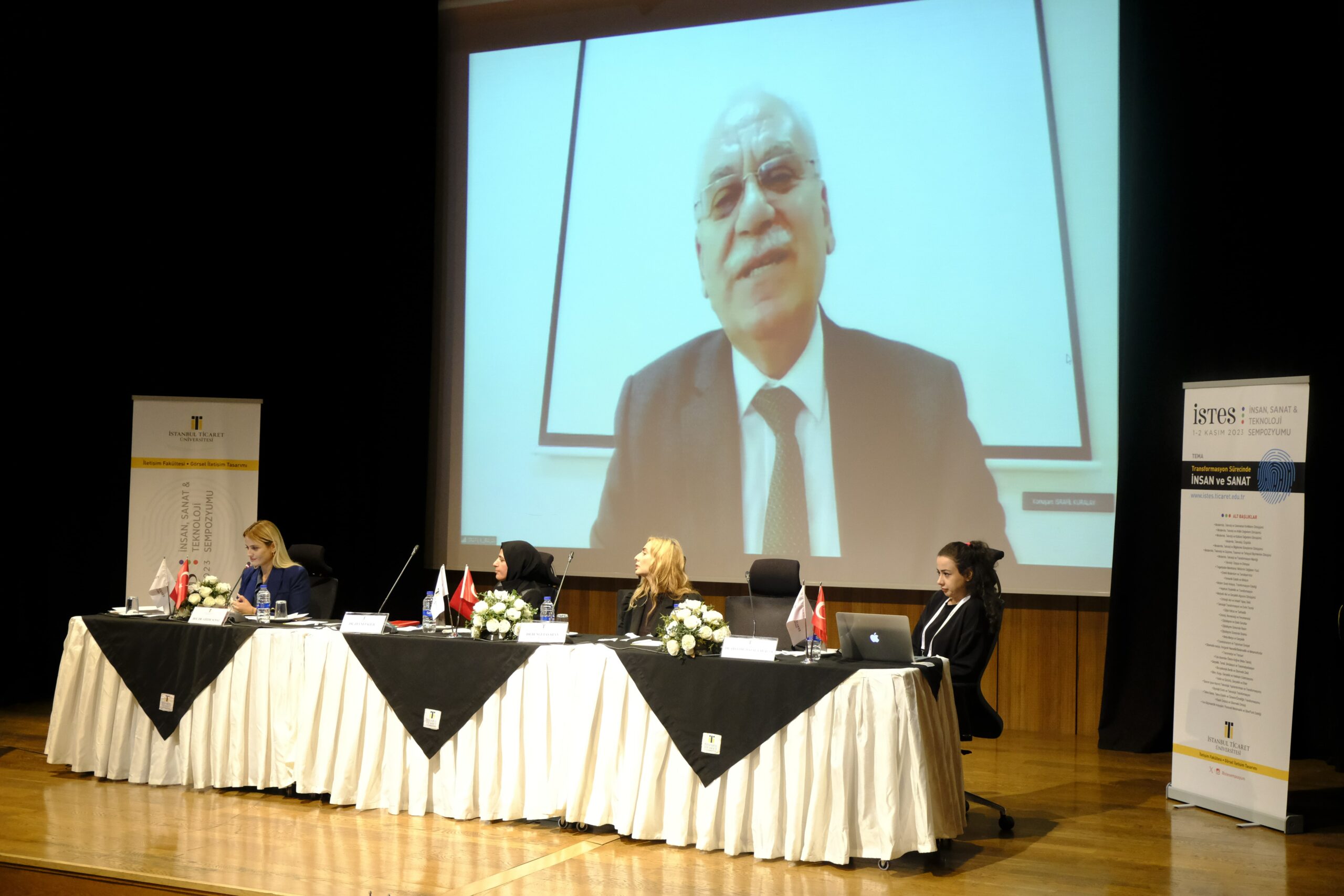
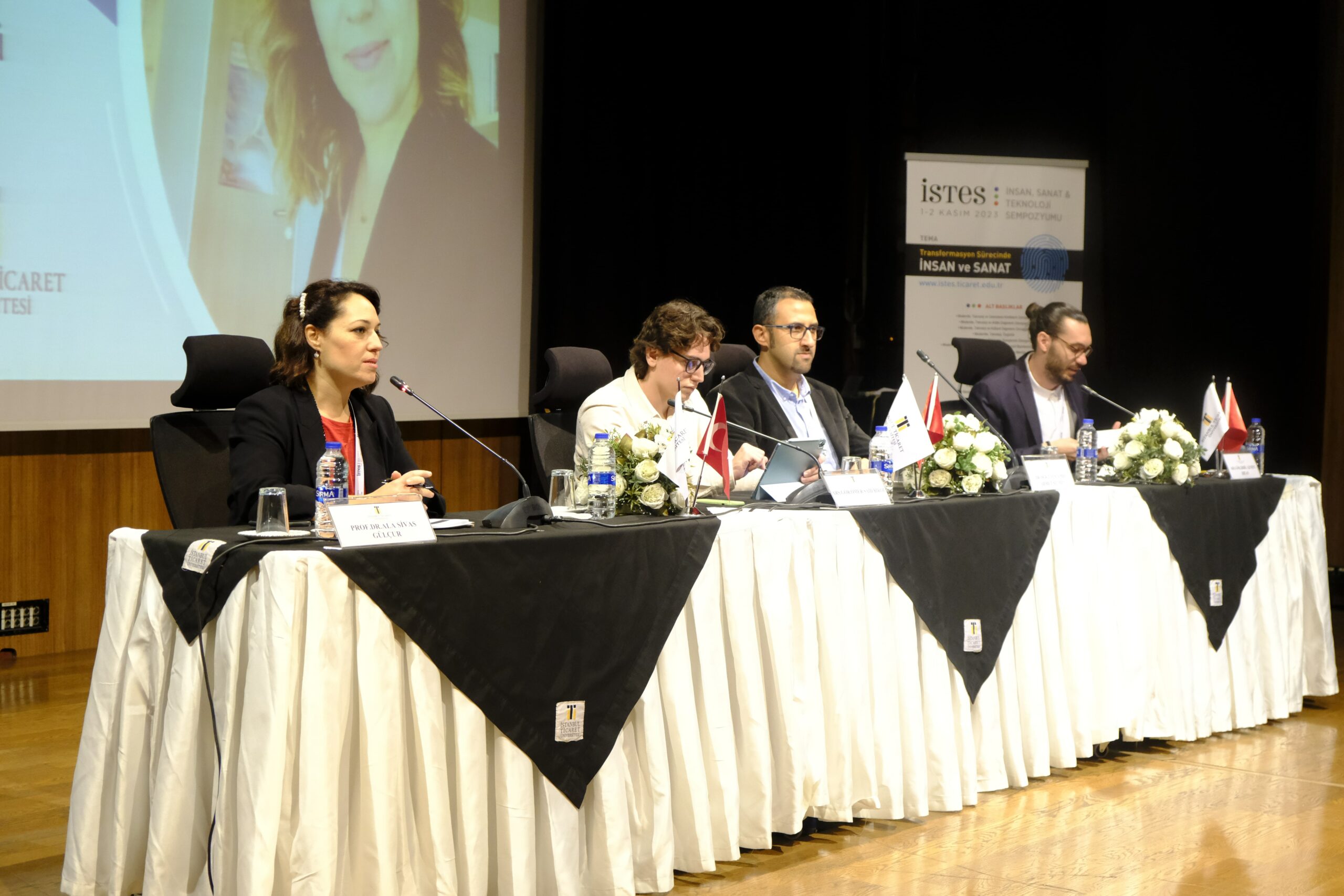
Following Prof. Dr. Özbay’s speech, the symposium sessions began, moderated by the faculty members of the Visual Communication Design Department. Academicians and researchers from many universities presented their papers over two days. Chairman of the Board of Trustees of Istanbul Ticaret University, Dr. İsrafil Kuralay, also made a presentation titled “Aesthetic Reflections of the Changes in Communication Technologies and Illusions of Reality” in the first session of the symposium.